
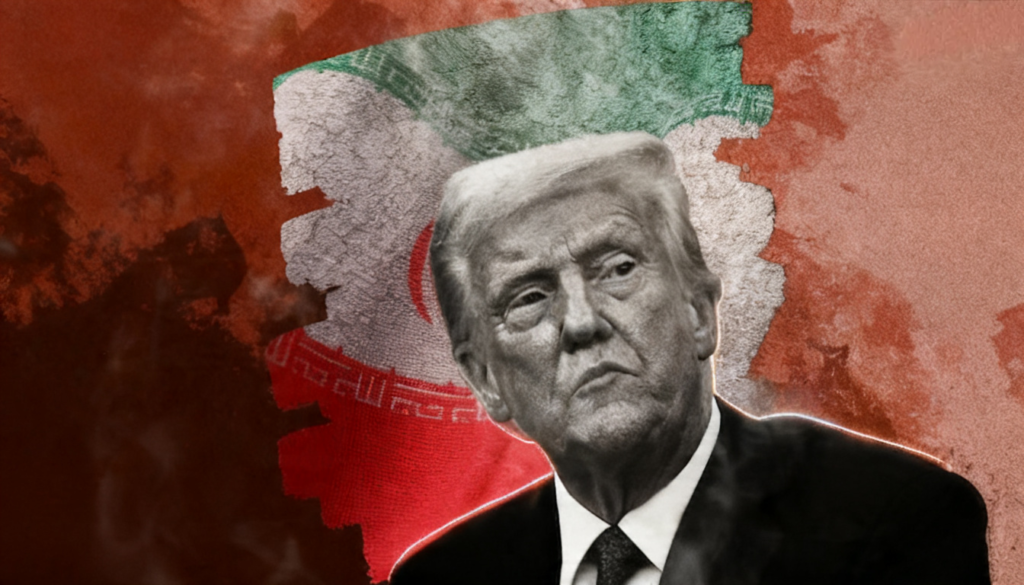
The Strategic Context Behind Trump Pakistan Iran Talks
The possibility that Donald Trump may travel to Pakistan as part of a broader effort to negotiate or facilitate a deal involving Iran represents a significant shift in geopolitical signaling, one that goes beyond the immediate optics of diplomacy and enters the deeper terrain of strategic recalibration. At its core, this development reflects the evolving nature of power projection in West Asia, where traditional alliances are being reexamined in light of changing economic priorities, security challenges, and regional ambitions. Pakistan, historically positioned as a strategic partner of the United States but also maintaining complex ties with China and the Islamic world, emerges in this context as a potential intermediary capable of bridging gaps that more direct actors cannot easily navigate. The idea of Trump Pakistan Iran talks therefore is not merely about a single diplomatic visit, but about the broader recognition that conventional channels of engagement with Iran have become increasingly constrained. Sanctions, political mistrust, and regional rivalries have created an environment where indirect diplomacy may offer more flexibility. By considering Pakistan as a venue or facilitator, the United States may be signaling a willingness to experiment with alternative diplomatic pathways, particularly at a time when direct negotiations with Iran remain politically sensitive. This shift also underscores the importance of geography in diplomacy, where proximity, cultural linkages, and political relationships can influence the feasibility of negotiations. Pakistan’s position at the crossroads of South Asia, Central Asia, and the Middle East gives it a unique strategic relevance, one that is often underestimated in conventional analyses. The potential visit therefore must be understood as part of a broader attempt to reshape the diplomatic architecture of the region, rather than as an isolated initiative.
Why Pakistan Has Reentered the Diplomatic Equation
Pakistan’s reemergence as a potential diplomatic platform in the context of Trump Pakistan Iran talks reflects both opportunity and necessity, shaped by the limitations of existing diplomatic frameworks and the need for new channels of engagement. Over the past decade, Pakistan has sought to reposition itself as a stabilizing force in regional geopolitics, leveraging its relationships with multiple power centers to enhance its strategic relevance. Its close ties with China through economic corridors, its historical relationship with the United States, and its cultural and religious connections with Iran provide a unique combination of access and influence. This combination makes Pakistan a plausible intermediary in situations where direct engagement between adversarial states is difficult. At the same time, Pakistan has its own incentives to facilitate such a dialogue. Economic pressures, including the need for foreign investment and financial stability, create a strong motivation to demonstrate diplomatic utility on the global stage. Hosting or facilitating talks involving major powers could enhance its international standing and open new avenues for economic cooperation. However, this role is not without risks. Pakistan must balance its relationships carefully, ensuring that engagement with one actor does not alienate others. The involvement in Trump Pakistan Iran talks therefore represents a delicate exercise in strategic positioning, where the benefits of increased relevance must be weighed against the potential for geopolitical friction. This dynamic highlights the complexity of modern diplomacy, where middle powers play an increasingly important role in shaping outcomes.
The Iran Factor and the Constraints of Direct Negotiation
Iran’s position in the current geopolitical landscape is defined by a combination of resilience and constraint, shaped by years of sanctions, regional competition, and internal economic pressures. The idea of engaging in talks facilitated through Pakistan reflects the recognition that traditional channels of negotiation have reached a point of diminishing returns. Direct engagement between the United States and Iran remains politically charged, influenced by domestic considerations in both countries as well as by the broader regional context. The Trump Pakistan Iran talks framework introduces a layer of indirect engagement that could potentially reduce some of these constraints. By involving a third party, both sides may find greater flexibility in exploring options without the immediate pressure of direct confrontation. This approach also allows for the testing of diplomatic signals in a more controlled environment, where proposals can be assessed and adjusted before being formalized. However, the success of such an approach depends on multiple factors, including the willingness of Iran to engage, the credibility of Pakistan as a facilitator, and the broader strategic objectives of the United States. Iran’s priorities are not limited to sanctions relief. They include regional influence, security guarantees, and economic stability. Any negotiation framework must therefore address these dimensions in a balanced manner. The involvement of Pakistan could provide a platform for such discussions, but it does not eliminate the underlying challenges. Instead, it creates a new space where these challenges can be managed differently.
Economic Implications for Oil Markets and Global Trade
The potential for Trump Pakistan Iran talks carries significant implications for global energy markets, particularly in relation to oil supply and pricing dynamics. Iran remains a key player in global oil production, and any shift in its diplomatic relations with the United States can influence supply expectations and market sentiment. If talks lead to a reduction in tensions or a partial easing of sanctions, the prospect of increased Iranian oil exports could exert downward pressure on prices. Conversely, if negotiations fail or escalate tensions, the risk of supply disruption could push prices higher. This dual possibility introduces a layer of volatility that markets must navigate. The Strait of Hormuz, a critical chokepoint for global oil shipments, remains central to this dynamic. Any perception of instability in the region can influence shipping costs, insurance premiums, and overall trade flows. For global markets, the uncertainty surrounding Trump Pakistan Iran talks translates into a need for risk adjustment, where pricing reflects not only current supply conditions but also potential future scenarios. This has broader economic implications, affecting inflation, currency stability, and investment decisions. Countries that rely heavily on energy imports are particularly vulnerable to these fluctuations, as changes in oil prices can have immediate effects on trade balances and fiscal positions. The interplay between diplomacy and economics in this context highlights the interconnected nature of global systems, where political developments can have far reaching financial consequences.
India and the Strategic Implications of Regional Diplomacy
For India, the developments surrounding Trump Pakistan Iran talks carry both risks and opportunities, shaped by its economic structure and strategic priorities. As one of the largest importers of crude oil, India is highly sensitive to changes in global energy markets. Any shift in the relationship between the United States and Iran can influence oil prices, supply stability, and trade dynamics. A successful negotiation that leads to increased Iranian oil exports could provide some relief in terms of pricing, while a breakdown in talks could have the opposite effect. Beyond energy, the involvement of Pakistan in such a diplomatic framework introduces additional considerations for India’s regional strategy. Pakistan’s enhanced role in global diplomacy could alter the balance of influence in South Asia, potentially affecting India’s own strategic positioning. At the same time, India must navigate its relationships with both the United States and Iran, balancing economic interests with geopolitical considerations. This requires a nuanced approach, where policy decisions are informed by a clear understanding of the evolving regional landscape. The situation also underscores the importance of diversification, both in terms of energy sources and trade partnerships. By reducing dependence on any single source or route, India can enhance its resilience to external shocks. The developments therefore serve as a reminder that geopolitical events are not isolated incidents, but part of a broader pattern that shapes economic and strategic outcomes.
What This Signals for Global Power Dynamics
The broader significance of Trump Pakistan Iran talks lies in what it reveals about the changing nature of global power dynamics. Traditional alliances and diplomatic channels are being supplemented by more flexible and adaptive approaches, where indirect engagement and intermediary roles become increasingly important. This reflects a shift towards a more multipolar world, where influence is distributed across a wider range of actors. The involvement of Pakistan as a potential facilitator highlights the growing importance of middle powers in shaping geopolitical outcomes. At the same time, it underscores the limitations of conventional strategies, where direct confrontation often leads to stalemate rather than resolution. The willingness to explore alternative pathways suggests a recognition that complex challenges require innovative solutions. However, this also introduces new uncertainties, as the effectiveness of such approaches depends on the alignment of interests among multiple actors. The outcome of Trump Pakistan Iran talks will therefore be closely watched, not only for its immediate implications but also for what it signals about the future of diplomacy. It may indicate a move towards more decentralized and flexible frameworks, where power is exercised through networks rather than hierarchies.
Conclusion
The prospect of Trump Pakistan Iran talks represents more than a diplomatic initiative. It is a reflection of the evolving nature of global geopolitics, where traditional boundaries and assumptions are being redefined. The involvement of Pakistan introduces a new dimension to the equation, highlighting the role of intermediary states in facilitating dialogue and shaping outcomes. For global markets, the implications are significant, particularly in relation to energy supply and economic stability. For countries like India, the developments underscore the importance of strategic adaptability in an increasingly complex environment. As the situation unfolds, the key question is not only whether talks will take place, but what they will achieve and how they will reshape the regional and global landscape. Observers must pay close attention to the signals emerging from these interactions, as they provide insights into the direction of future policy and the balance of power. In a world where geopolitical and economic systems are deeply interconnected, understanding these dynamics is essential for navigating uncertainty and making informed decisions.
