
Misinformation: A Natural Part of Life, Not Just a Human Problem
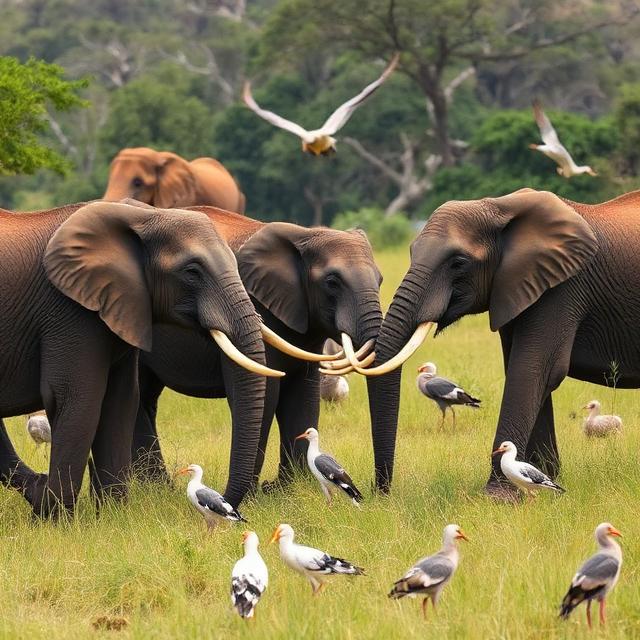
Misinformation is not just a headache of the internet age; it appears to be a built‑in feature of how living things communicate, from bacteria and ants to birds and humans. A new review in the Journal of the Royal Society Interface argues that misleading signals arise naturally whenever organisms share information, rather than being a […]
Engineering Bacteria to Make Animal-Free Milk Proteins: A Biotech Breakthrough for Sustainable Dairy
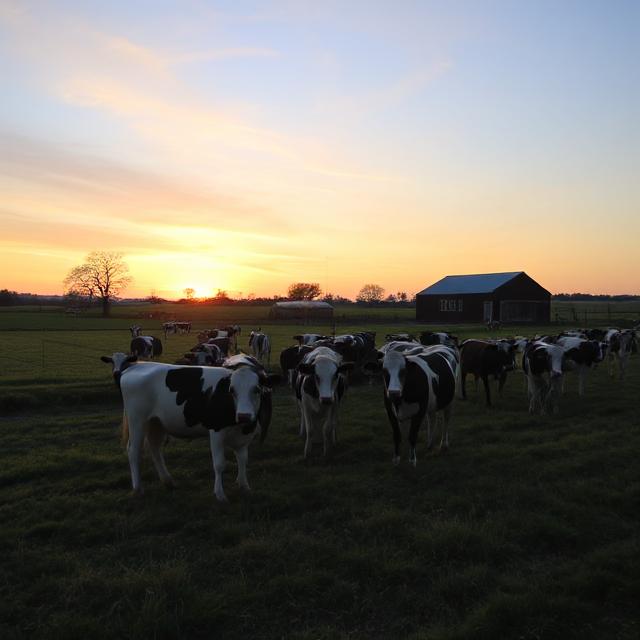
Scientists have found a new way to make milk proteins without using cows. This could help provide tasty and healthy dairy foods while being much better for the planet. The new method uses bacteria to create αs1-casein, a key protein in milk, that is just as functional as what’s found in cow’s milk. Why Milk […]
New Lichen Species Discovered in Western Ghats Highlights Ancient Symbiosis
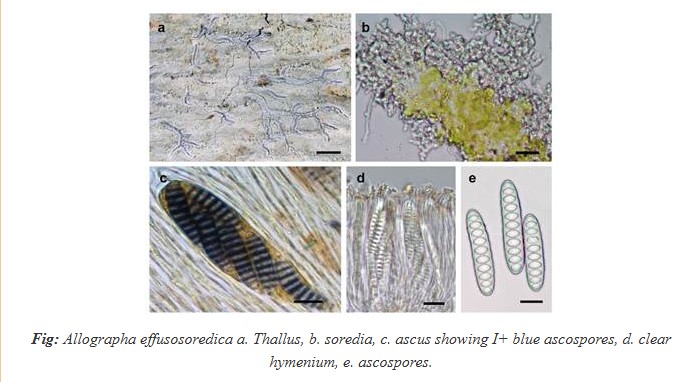
A team of Indian scientists has identified a new species of lichen from the Western Ghats, named Allographa effusosoredica. This discovery adds to India’s growing catalogue of lichens and sheds new light on symbiotic relationships in tropical ecosystems. The study was conducted by researchers from the MACS-Agharkar Research Institute, Pune—an autonomous institution under the Department […]
Musical Training Counters Age

A new study published in PLOS Biology reveals that long-term musical training may reduce age-related overactivation of brain networks involved in understanding speech in noisy environments. The findings provide compelling evidence that cognitive reserve, built through sustained musical engagement, can help older adults process speech more efficiently, mimicking the neural patterns of younger adults. Researchers led by […]
50,000 Years of Indian Ancestry: New Study Reveals How Ancient Migrations Shaped Health and Disease

A major new study has unlocked the secrets of India’s genetic past, revealing how ancient migrations and cultural practices have shaped the health and disease patterns of its people today. Scientists sequenced the complete genomes of 2,762 individuals from across India, representing a wide mix of regions, languages, and communities. This research, published in the […]
The Brain’s Regret Switch: How a Hidden Molecule Makes Us Second-Guess, Especially Women

Scientists have uncovered a surprising molecule in the brain that could explain why women and men change their minds differently and what this means for stress, regret, and mental health. A Closer Look at Decision-Making Changing your mind is something we all do, whether it’s picking a different meal at a restaurant or rethinking a […]
The Secret Life of Fat: How Obesity Changes Blood Vessels in Different Body Regions
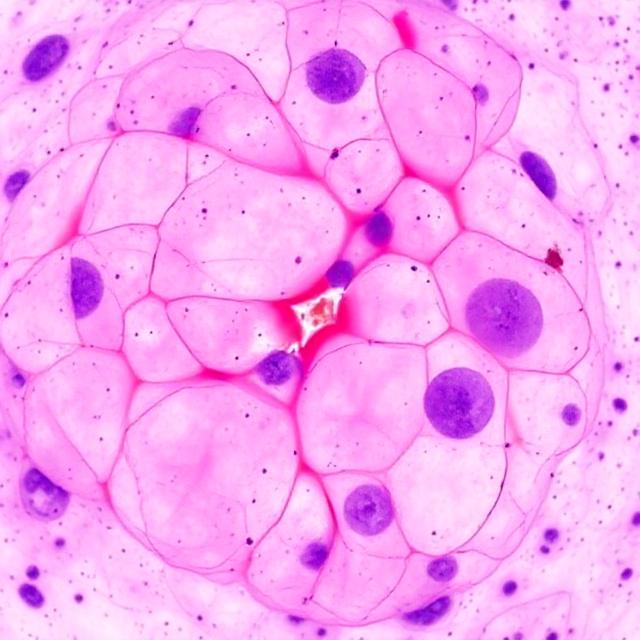
Imagine your body as a bustling city, where each neighborhood has its own unique roads and buildings. In this city, white adipose tissue (WAT), commonly known as body fat, is more than just a storage space for extra energy. It’s a complex community, with blood vessels acting as highways that deliver nutrients and messages to […]
New Species ‘Dugesia punensis’ Discovered in Pune’s Pashan Lake — First Indian Planarian Species Identified in Four Decades
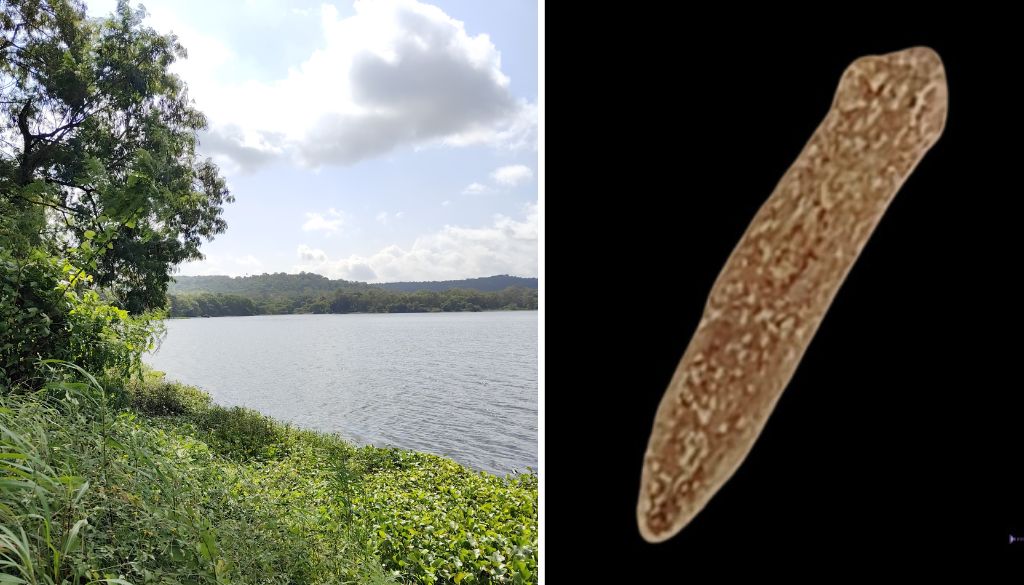
A remarkable scientific discovery has emerged from Pashan Lake in Pune, where a new species of planarian worm has been identified. Named Dugesia punensis, this species marks the first new Indian planarian discovery in over 40 years. The breakthrough was made by Ph.D. researcher Mithila Chinchalkar and her guide Dr. Ravindra Kshirsagar from the Department […]
Unlocking Faster Learning: How Brain Cell Inhibition Could Boost Memory and Navigation
Researchers have uncovered a brain mechanism that helps animals quickly learn and remember important places, such as where to find food. In this study, mice navigated a virtual reality track with special visual cues, learning to slow down and search for rewards in the right spots. The scientists discovered that certain brain cells in the […]
Self-Reproduction in Artificial Cells
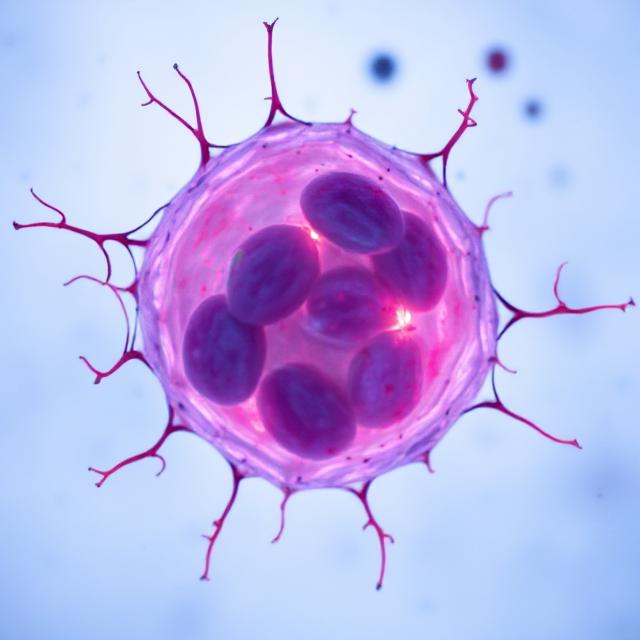
What is Self-Reproduction? Self-reproduction is a key feature of all living things. It means that an organism can make copies of itself, ensuring its species continues over time. In natural life, this process is controlled by complex chemistry inside cells. Even the simplest living cells, like bacteria, use many coordinated steps to reproduce, all managed […]