
Older Adults Who Eat Breakfast Late May Face Higher Health Risks, Study Finds

Meal Times Change as People Age A major new study has found that older adults tend to eat breakfast and dinner later as they get older, and this change in meal schedules may be linked to poorer health and shorter life expectancy. Researchers followed nearly 3,000 people in the UK for over two decades, asking […]
Up to Seven Self-Driving Vehicles Can Be Safely Monitored by One Person, Study Finds

A new study from Coventry University is answering a crucial question about the future of self-driving cars: How many automated vehicles (AVs) can one person effectively supervise at the same time? The research, published in Computers in Human Behavior, found that an individual can best manage between five and seven vehicles, with five being the optimal […]
New Research Debunks Health Myth: No Safe Level of Alcohol Consumption

The long-standing belief that moderate drinking offers health benefits is now being challenged by a new wave of scientific research, according to Stanford Medicine experts. For decades, moderate alcohol consumption, like enjoying a glass of red wine with dinner, was thought to protect against heart disease and diabetes, and even lengthen life. However, recent studies […]
Consecutive TV Watching Boosts Imagination, Study Finds

A new study reveals that watching several episodes of a TV show or reading multiple chapters of a book in one sitting can lead people to think about stories and characters long after they finish, fueling imaginative and emotional involvement. This effect, called “retrospective imaginative involvement” (RII), might even help people handle stress and improve […]
Study Reveals Paying Third-Party Punishers Can Actually Undermine Cooperation

A newly published study in the Proceedings of the National Academy of Sciences challenges long-held ideas about how punishment encourages cooperation in society. For years, many scientists thought that having “third parties”, people not directly affected by wrongdoing, punish selfish behavior was crucial for groups to work together harmoniously. But the new research suggests that […]
The Dance of Sleep: How the Iconic Two-Process Model Illuminates Why We Sleep When We Do

From the moment we are born until late in life, our sleep patterns shift dramatically, much of which can be explained by what scientists call the two-process model. This concept describes how two forces work together to regulate when we fall asleep and wake up: sleep pressure, the urge to sleep that grows the longer […]
Why We Take More Risks When Stressed: The Science Behind Risky Decisions

Have you ever noticed that you’re more likely to take chances or make impulsive decisions when you’re feeling stressed? New research reveals that stress actually changes the way our brains weigh risks and rewards, making us more likely to choose riskier options, even when it might not be in our best interest. A recent study […]
How Human Babies Learn to Talk: A Look at Communication Across Great Apes

Human language is special because it is complex and allows us to share ideas, stories, and information in ways that no other animal can. But how do babies learn to speak? Scientists believe that a big part of this learning comes from infant-directed communication, the way adults talk directly to babies, often using a special […]
Scientists Face Challenges When Changing Research Areas, Study Finds

A major new study has found that scientists and inventors who switch to new research areas often see their work become less impactful. The research, published in the journal Nature, shows that the further a scientist moves away from their previous area of expertise, the less likely their new work is to be highly cited […]
The Gollum Effect: How Territorial Behavior in Academia Hurts Science and Researchers
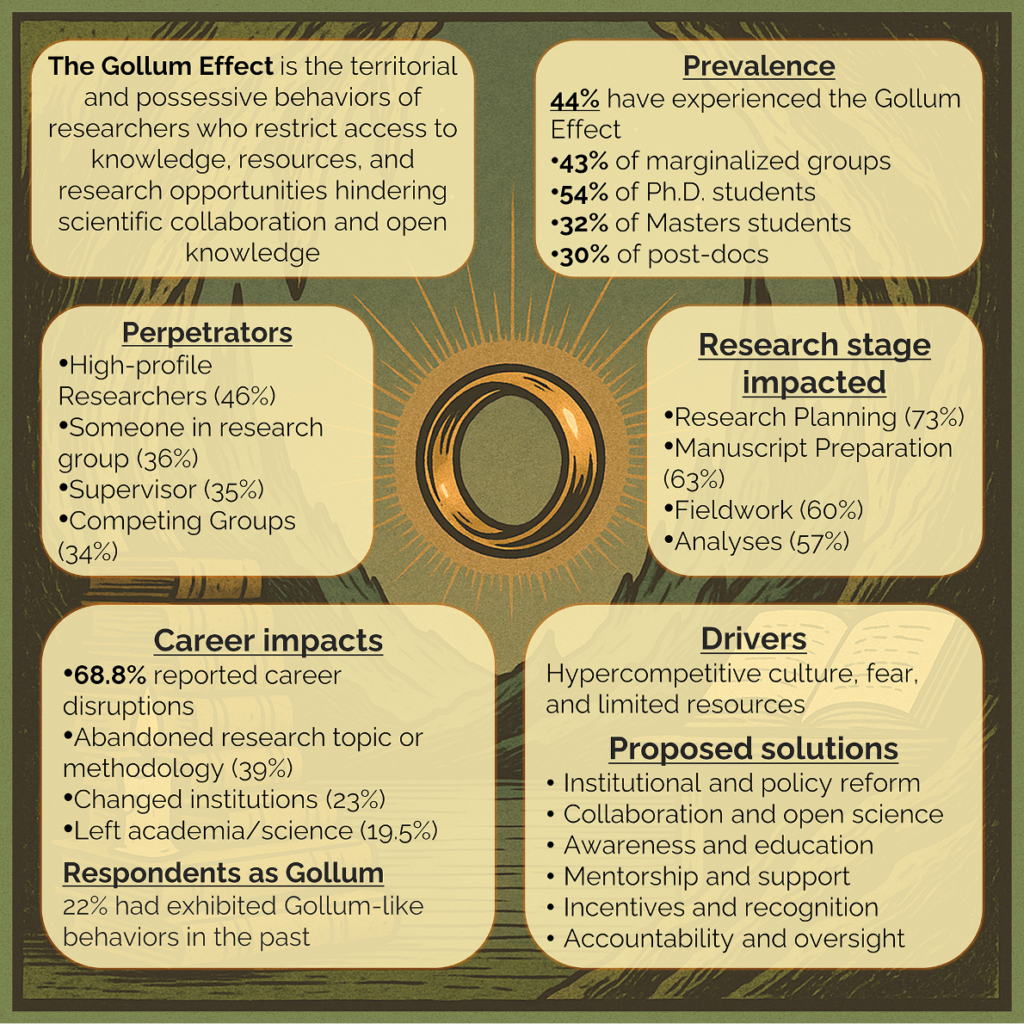
A new global study has revealed a widespread problem in the scientific community known as the “Gollum effect.” This term describes possessive and territorial behaviors among researchers, which block collaboration and slow down scientific progress. The study, published in One Earth, surveyed 563 researchers from 64 countries, focusing on the fields of ecology, conservation, and […]