
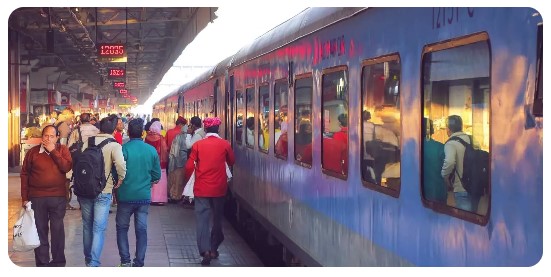
Starting July 1, 2025, train fares across India will get costlier. The Ministry of Railways has announced a fare hike for the first time in five years, affecting AC, sleeper, and second-class tickets on Mail, Express, and premium trains like Rajdhani, Shatabdi, Vande Bharat, and Tejas.
What’s the New Fare Hike?
-
AC Classes (First AC, 2-Tier, 3-Tier, Chair Car):
Increased by 2 paisa per kilometre.
✅ Example: A 1,000 km AC journey will now cost ₹20 more. -
Non-AC Classes (Sleeper, Second Class General, First Class):
Increased by 1 paisa per kilometre.
✅ Example: A 1,000 km journey in sleeper/general coach will cost ₹10 more. -
Ordinary Second Class (Non-AC) Trains:
-
No fare hike for travel up to 500 km.
-
Fare hike for longer distances:
• ₹5 extra for 501–1,500 km
• ₹10 extra for 1,501–2,500 km
• ₹15 extra for 2,501–3,000 km
-
Who Is Not Affected?
-
Suburban trains (like local trains in cities)
-
Monthly and season pass holders
-
Ordinary second-class passengers traveling up to 500 km
What Else Stays the Same?
-
Reservation fees, superfast charges, and other additional costs remain unchanged.
-
If you’ve already booked your ticket for travel after July 1, you will not be charged extra.
-
However, new tickets issued after July 1 — even on the train — will include the new fare.
Why the Hike?
This move is expected to help Indian Railways earn an additional ₹1,100 crore in the current financial year (2025–26). If the hike had applied to the full year, the extra earnings would be around ₹1,450 crore.
Railways has set a target of earning ₹92,800 crore from passenger services in FY26. Last year, it earned ₹75,215 crore, with over 736 crore passengers traveling by train.
Some Important Facts:
-
AC classes bring in over 54% of passenger revenue, but only 4.8% of total passengers use them.
-
Sleeper and General classes carry 37% of passengers.
-
Suburban trains serve the most, about 57% of all passengers.
-
While freight earns 65% of the Railways’ revenue, the passenger segment contributes about 30%.
-
A Parliamentary report showed that suburban services recover just 30% of their cost, and non-AC services recover 39%. AC classes make only a small surplus of 3.5%.
(source-upstox)
From July 1, train travel in India will become slightly more expensive — especially for long-distance and AC class passengers. Short-distance and local train commuters won’t see any change. The Railways hopes this small fare adjustment will help cover rising operational costs without putting too much burden on passengers.
