
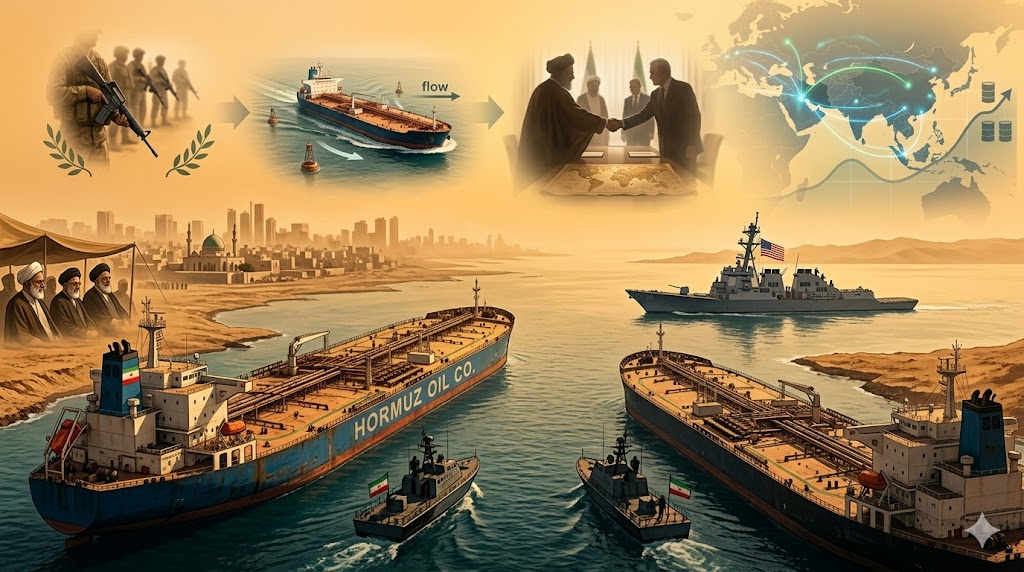
A Proposal That Redefines Negotiation Frameworks
The emergence of the Iran three stage proposal US talks marks a significant departure from traditional negotiation frameworks that have defined relations between Tehran and Washington over the past decade. Rather than presenting a single comprehensive agreement, Iran appears to be structuring engagement through phased steps that address core concerns sequentially, beginning with the end of conflict conditions, moving through the stability of the Strait of Hormuz, and culminating in nuclear negotiations. This approach reflects a calculated effort to reshape the dynamics of dialogue, where trust is built incrementally rather than assumed at the outset. The Iran three stage proposal US talks therefore signals a recognition that previous attempts at comprehensive agreements have struggled due to mutual distrust and competing priorities. By breaking down the process into stages, Iran is attempting to create a framework that allows for measurable progress while reducing the risk of immediate breakdown.
This proposal also reflects an understanding of the broader geopolitical environment, where global attention is increasingly focused on stability in energy markets and the security of trade routes. The inclusion of Hormuz as a central component highlights the strategic importance of maritime stability, not only for regional actors but for the global economy. The Iran three stage proposal US talks thus becomes more than a diplomatic initiative. It represents an attempt to align national interests with global economic concerns, positioning Iran as a stakeholder in maintaining stability while pursuing its own objectives. This dual positioning is indicative of a broader shift in strategy, where economic leverage and geopolitical signaling are integrated into a cohesive approach.
Why Iran Is Pushing a Phased Strategy Now
The timing of the Iran three stage proposal US talks is closely linked to a convergence of internal and external pressures that have shaped Iran’s strategic calculations. Economic constraints resulting from prolonged sanctions have created a need for relief, while regional tensions have underscored the risks associated with continued confrontation. At the same time, global energy dynamics have shifted, with increased sensitivity to disruptions in supply chains and trade routes. These factors combine to create an environment where a phased negotiation strategy offers a pragmatic path forward. By addressing immediate concerns such as conflict conditions and maritime stability, Iran can create conditions that make broader negotiations more feasible.
Another important factor is the changing nature of global diplomacy, where incremental agreements are increasingly favored over comprehensive deals that require alignment on multiple complex issues simultaneously. The Iran three stage proposal US talks reflects this trend, emphasizing flexibility and adaptability in the negotiation process. This approach allows both sides to test the viability of engagement without committing to outcomes that may be politically difficult to sustain. It also provides a mechanism for managing domestic expectations, where progress can be demonstrated through tangible steps rather than abstract commitments. This strategic shift highlights the evolving nature of international negotiations, where traditional models are being replaced by more dynamic and responsive frameworks.
Hormuz and the Economics of Maritime Control
The inclusion of the Strait of Hormuz in the Iran three stage proposal US talks underscores the central role of maritime control in shaping economic outcomes and geopolitical strategies. Hormuz is not merely a transit route but a critical node in the global energy network, through which a significant portion of the world’s oil supply flows. Any instability in this region has immediate implications for oil prices, shipping costs, and global trade dynamics. By placing Hormuz at the center of its proposal, Iran is leveraging its geographic advantage to influence the broader negotiation landscape.
This strategic positioning has direct economic implications, as it introduces a variable that markets must account for in their pricing and risk assessments. Stability in Hormuz can lead to more predictable energy markets, while uncertainty can drive volatility and increase costs across supply chains. The Iran three stage proposal US talks therefore intersects with global economic concerns, where the outcome of negotiations can influence inflation, currency stability, and investment decisions. This connection between geopolitics and economics highlights the importance of integrating security considerations into economic planning, as disruptions in critical infrastructure can have far reaching consequences.
Nuclear Negotiations and the Balance of Power
The final stage of the Iran three stage proposal US talks focuses on nuclear negotiations, a domain that has historically been at the center of tensions between Iran and the United States. By positioning nuclear issues as the culmination of the negotiation process, Iran appears to be signaling that progress in earlier stages is a prerequisite for addressing more complex and sensitive topics. This sequencing reflects an understanding that trust and stability must be established before meaningful discussions on nuclear capabilities can take place. It also allows Iran to frame the narrative in a way that emphasizes its willingness to engage while maintaining its strategic interests.
The nuclear dimension of the proposal has broader implications for the balance of power in the region and beyond. It influences how other actors perceive Iran’s intentions and capabilities, shaping their own strategic calculations. The Iran three stage proposal US talks thus becomes a focal point for assessing future developments in non proliferation efforts and regional security dynamics. The outcome of this stage will likely determine the extent to which tensions can be reduced or whether new forms of competition will emerge. This highlights the importance of careful negotiation and the need for frameworks that can accommodate the interests of multiple stakeholders.
India and the Strategic Implications of Energy and Trade
For India, the Iran three stage proposal US talks carries significant implications, particularly in terms of energy security and trade stability. As a major importer of oil, India is highly sensitive to developments in the Strait of Hormuz, where disruptions can directly affect supply and pricing. A successful negotiation that enhances stability in this region could provide a more predictable environment for energy imports, supporting economic growth and reducing vulnerability to external shocks. Conversely, failure to achieve stability could exacerbate existing challenges, increasing costs and affecting fiscal planning.
Beyond energy, the proposal also has implications for broader trade dynamics, as stability in maritime routes is essential for the smooth functioning of global supply chains. India’s position within these networks means that it must closely monitor developments and adjust its strategies accordingly. This includes diversifying energy sources, strengthening strategic reserves, and engaging in diplomatic efforts to support stability. The Iran three stage proposal US talks therefore represents both an opportunity and a challenge, where outcomes will influence India’s economic and strategic positioning in the years ahead.
Future Scenarios and Global Strategic Outcomes
The trajectory of the Iran three stage proposal US talks will depend on how effectively the proposed framework is implemented and how both sides respond to the opportunities and challenges it presents. One possible scenario is that the phased approach leads to incremental progress, building trust and creating conditions for more comprehensive agreements. In this case, the benefits could extend beyond bilateral relations, contributing to regional stability and more predictable economic conditions. Another scenario involves partial success, where some stages are achieved while others remain unresolved, resulting in a mixed outcome that reflects both progress and ongoing tension.
A less favorable scenario would involve the breakdown of negotiations, leading to increased uncertainty and potential escalation. In this case, the implications for global markets could be significant, with increased volatility in oil prices and heightened risk in trade routes. The responses of other global actors will also play a critical role, as their actions can influence the direction and intensity of developments. The Iran three stage proposal US talks thus represents a pivotal moment in the evolving landscape of international relations, where the choices made by key actors will shape the future of both geopolitics and economics.
Conclusion
The Iran three stage proposal US talks represents a nuanced and strategic approach to addressing some of the most complex issues in contemporary geopolitics. By structuring negotiations in phases, Iran is attempting to create a framework that balances immediate concerns with long term objectives, integrating security, economic, and diplomatic considerations. The inclusion of Hormuz and nuclear issues highlights the interconnected nature of these domains, where developments in one area can influence outcomes in another. For the global community, the proposal offers both opportunities and risks, depending on how it is implemented and received. As the situation evolves, the focus will be on whether this approach can deliver meaningful progress and contribute to a more stable and predictable international environment. The outcome will not only shape relations between Iran and the United States but also influence broader dynamics in global energy markets and geopolitical strategy.
